Safe Schools.
Safe Workplaces.
Safe Communities.
EQUUS Leadership Solutions is changing the mindset of safety in America. Let us show you how…


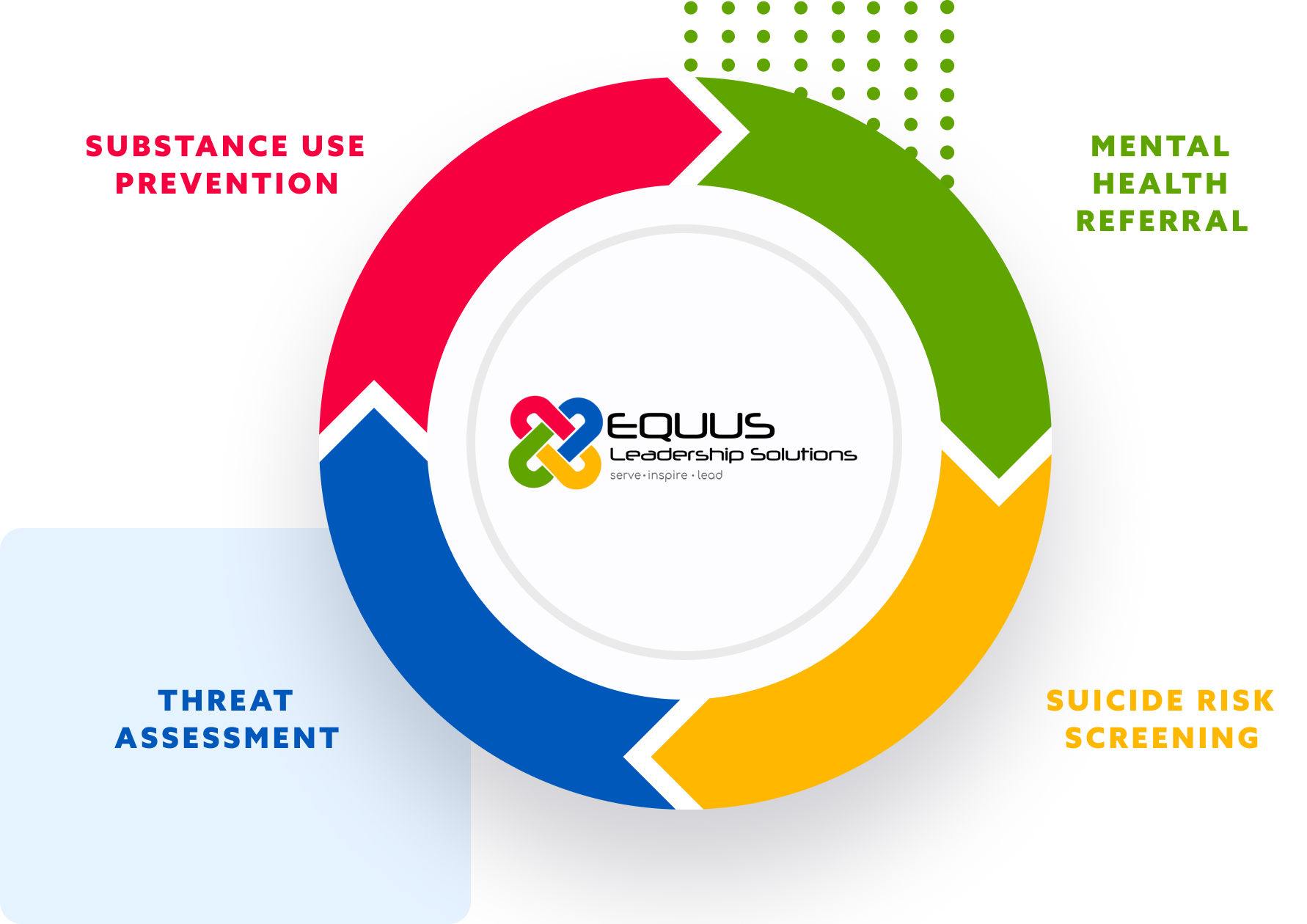
Digital Case Management: A New Path to Student Well-Being & Safety
Transform your school’s approach to mental health and safety with digital case management tools from EQUUS Leadership Solutions. Unlike traditional paper-based methods, our digital solutions integrate mental health support with behavioral risk assessments, providing secure, centralized access to essential student data whenever it is needed.
With automated alerts, data-driven insights, and predictive analysis, EQUUS digital case management empowers school leaders to identify at-risk students early.
Imagine a system where collaboration is seamless, records are never lost, and all student information is secure and compliant with privacy standards. Upgrade to a digital platform that doesn’t just keep up with your school’s needs — but actively drives student well-being and safety forward.
What We Do
We are a comprehensive case management system for mental health and school safety.


What We Do
We are a comprehensive case management system for mental health and school safety.
AI That Talks With Your Data—Not the Internet
Imagine sitting at your desk and asking your district’s data a question and getting a clear, actionable answer in seconds.
Not another spreadsheet.
Not another siloed report.
A conversation.
With EQUUS AI, school leaders can ask:
- “Identify students with documented access to weapons whose behavioral patterns suggest escalating isolation or distress.”
- “Have any students in my school expressed suicidal ideation but have not yet been connected to counseling services?”
- “What student safety trends are emerging now that were not visible 30, 60, or 90 days ago?”
- “Analyze district mental health trends and draft a data-driven grant proposal to expand our counseling team.”
- “Identify cases where patterns of adult–student interaction may indicate grooming behavior.”
This is not hypothetical.
This is operational clarity.
Behavioral Intelligence. Unified.
EQUUS AI synthesizes threat data, suicide risk indicators, mental health and substance use screeners, ACE patterns, attendance, grades, behavior, referrals, and safety plans—all within one coordinated ecosystem.
It identifies patterns.
It flags service gaps.
It highlights overlapping risk factors.
It surfaces students who may otherwise be overlooked.
Instead of reacting to isolated incidents, leaders see intersections—where risk multiplies and early intervention matters most.
Secure. Local. Closed-Loop.
EQUUS AI operates exclusively within a district’s own data environment.
It does not crawl the internet.
It does not pull from external data sources.
It does not share data across districts.
Research-backed frameworks and evidence-informed guidance are pre-loaded into the platform from vetted academic, clinical, and public safety sources. No information is sourced from the open web. The system functions solely as a locally controlled, closed-loop decision-support tool.
Human professionals remain in control.
EQUUS simply sharpens their lens.
More signal. Less noise. Earlier insight. Stronger action.
That is the power of EQUUS AI.
Results Matter.
You can trust EQUUS to deliver.
0Year
EQUUS partnered with a school district located in the southeastern United States for a 1 year case study.
0%
among students of color incidents classified as a threat decreased by 60%.
0%
overall number of incidents classified as a threat decreased by 58%.
0%
among students of color, the suspension rate was reduced by 25%.

Evidence-based.
Backed by research.
Reliable and valid.
The EQUUS Leadership Solutions suite of digital case management tools are built on a foundation of rigorously validated, peer reviewed-research, aligning with best practices established by trusted authorities in student safety and mental health, including the National Threat Assessment Center (NTAC) and the National Institute of Mental Health (NIH). We know that credible, research-backed tools are essential to effective case management in school environments, which is why the EQUUS platform integrates insights from accepted scholarly studies and best practices across the fields of behavioral health, threat assessment, and school safety. This alignment ensures that our solutions not only support early identification of risks but also foster a safe, supportive environment where all students can thrive.
By adhering to NTAC’s evidence-based protocols, our platform empowers schools to manage and assess potential threats with a reliable, systematic approach. Our tools are designed to help schools make informed decisions that are both defensible and grounded in proven strategies, offering a comprehensive, research-aligned system that maximizes student well-being and community safety. With EQUUS, schools can be confident that their approach to mental health and safety is rooted in established, research-backed principles that drive real, lasting impact.
When Childhood Adversity Enters the Schoolhouse
ACEs don’t stay at home. They walk into classrooms every morning.
Decades of research on Adverse Childhood Experiences (ACEs)—including abuse, neglect, household substance use, domestic violence, and parental incarceration—demonstrate a clear reality: early adversity reshapes stress response systems, alters emotional regulation, and increases long-term risk for mental illness, substance misuse, violence, chronic disease, and even premature mortality.
But ACEs are not destiny.
When schools are informed, organized, and compassionate, they can interrupt these trajectories.
EQUUS transforms ACE science into structured, actionable response.
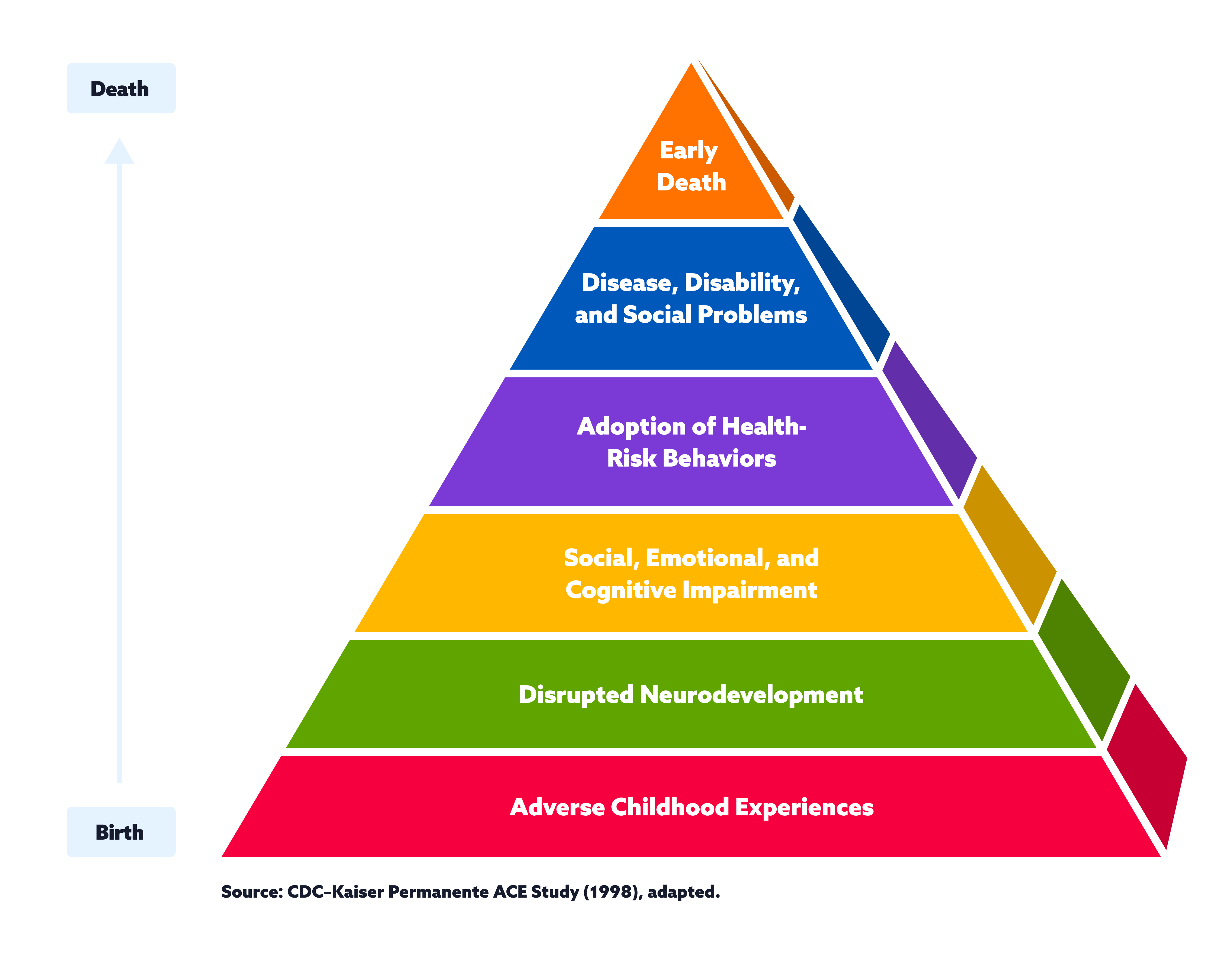
Understanding the ACE Pyramid
The ACE framework illustrates how early adversity influences:
- Brain development
- Social and emotional functioning
- Health risk behaviors
- Disease burden
- Life expectancy
Schools sit at a critical intervention point in this cascade.
With the right systems in place, adversity can be met with stability, connection, and resilience.

Two Pathways of Trauma. One Coordinated System.
Handle With Care
When first responders encounter a child during a traumatic event—such as domestic violence, overdose, fire, or violent crime—a secure notification is sent to the school.
No private or sensitive details are shared.
The message is simple:
“Handle this student with care.”
This awareness ensures the next day begins with empathy—not punishment, not confusion.
EQUUS digitizes and scales the Handle With Care framework by:
- Automating secure notifications
- Logging receipt and response
- Connecting alerts directly to the Student Console
- Integrating screeners, referrals, and intervention plans
- Supporting structured follow-up
Compassion becomes coordinated.
Care becomes consistent.
The EQUUS HWC system is built to scale—from individual districts to full statewide implementation. One secure infrastructure connects first responders and schools so compassion can move as quickly as the moment demands.
ARK Alert
One of the most powerful ACE indicators is incarceration within the household.
When a parent or caregiver experiences arrest, incarceration, and subsequent release from custody, children often experience:
- Sudden housing instability
- Economic strain
- Emotional distress
- Increased stigma and isolation
- Attendance decline
- Behavioral escalation
ARK Alert provides discreet, same-day notification to designated school personnel when these family transitions occur.
Awareness.
Response.
Kinship.
ARK Alerts ensure schools can:
- Stabilize routines
- Protect confidentiality
- Coordinate supports
- Connect students to counseling or resources
- Monitor attendance and emotional indicators
- Sustain follow-up beyond the initial event
When family stability is shaken, connection must increase—not decrease.

The Goal
Students living with adversity do not need labels.
They need understanding.
With the right awareness, the right tools, and the right coordination, schools can ensure that no child experiencing trauma walks through the doors unnoticed.
EQUUS connects science to action—so every student exposed to these challenges is met with stability, empathy, and support.
Adverse Childhood Experiences Include:
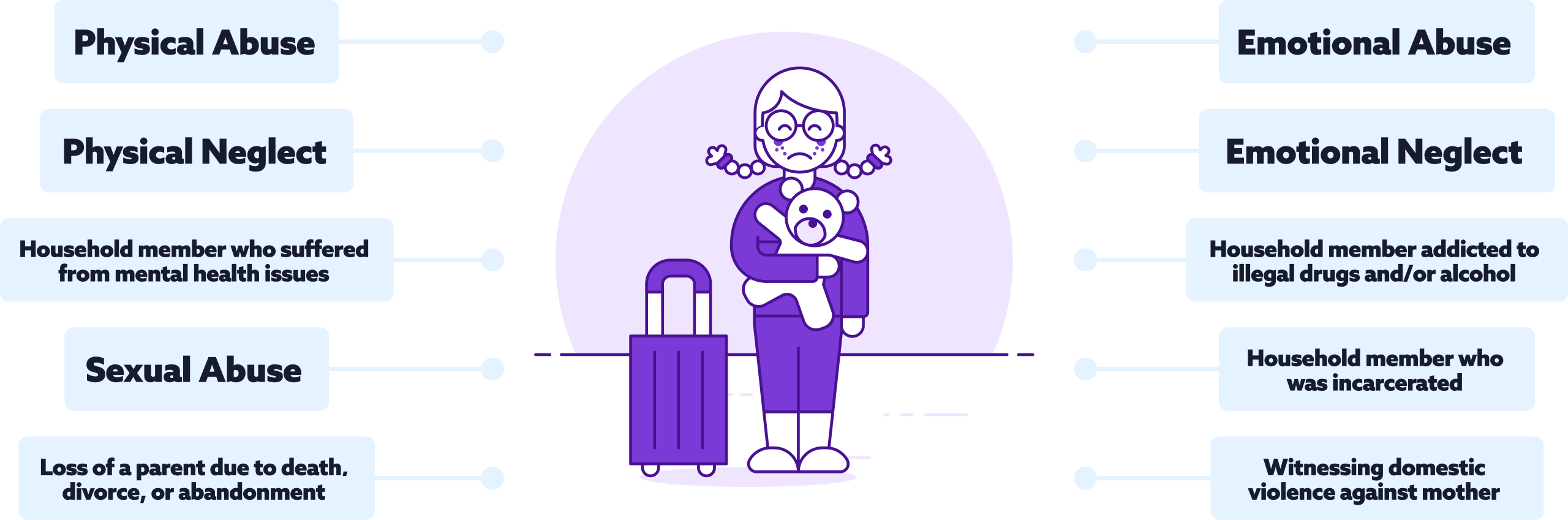
Adverse Childhood Experiences have been linked to:

EQUUS suicide and self-harm prevention
Teen suicide rates and attempts to self-harm are at all time highs. Statistics also indicate children are considering harming themselves at a much younger age than ever before.
Electronic self-harm screeners from EQUUS push email and text notifications to school administrators in real-time allowing intervention to occur before it is too late.
For every suicide death, there are:




Substance Abuse and Mental Health Services Administration. (2023). Key substance use and mental health indicators in the United States: Results from the 2022 National Survey on Drug Use and Health. Center for Behavioral Health Statistics and Quality, Substance Abuse and Mental Health Services Administration (SAMHSA).
Preventing Substance Misuse:
Protecting Students Before Crisis.

Data that connects. Prevention that lasts.
Youth substance use has evolved—and schools must evolve with it. What once centered on alcohol and vaping now carries lethal consequences, as counterfeit pills and illicit fentanyl permeate communities and classrooms alike. In 2021, nearly 8 out of 10 adolescent overdose deaths involved fentanyl, underscoring the scale and immediacy of the crisis. The EQUUS Substance Use component empowers schools to respond early and intelligently—connecting behavioral signals, identifying risk patterns, coordinating care, and sustaining prevention within one secure digital platform—so districts can intervene before experimentation becomes addiction and ensure protection that lasts.

Extending World-Class Research Into Real-World Classrooms
Through a strategic collaboration with the Center for Adolescent Behavioral Health Research (CABHRe) at Boston Children’s Hospital—the pediatric teaching hospital of Harvard Medical School—EQUUS brings the evidence-based CRAFFT 2.1 + N screening tool directly into K–12 environments, equipping educators to identify early substance-use and behavioral health risk with clinical precision. CABHRe’s nationally recognized research on adolescent mental health, risk behavior, and social environment now informs school-based prevention in real time, connecting the same science that guides physicians and behavioral-health experts to everyday decision-making in classrooms. Embedded within a FERPA-aligned, secure digital architecture, these research-driven insights empower schools to act earlier, collaborate lawfully, and transform early detection into meaningful, life-saving intervention.
Connection That Changes Outcomes
EQUUS transforms scattered warning signs into coordinated action. Built-in screeners and referral workflows help staff detect subtle shifts in behavior, mood, peer groups, attendance, or academic performance that may signal early substance use or exposure, then automatically guide the appropriate next steps—alerting counselors, activating support teams, and documenting outreach so no concern is overlooked. Real-time dashboards surface trends across classrooms, schools, and districts, directing prevention and recovery resources where they matter most. By uniting counselors, SROs, administrators, and community partners within one shared digital ecosystem, EQUUS moves addiction prevention upstream—addressing risk before first use, before crisis, and before outcomes become irreversible.



From the War on Drugs to the Fentanyl Crisis: 50 Years of Youth Addiction in America
How five decades of prevention, policy, and pain have shaped a generation—and why schools now stand at the front line of hope.
For more than fifty years, America’s struggle with youth addiction has evolved alongside its culture.
What began as a national “war on drugs” has become a public-health mission rooted in prevention, connection, and care.
Each decade has told a new story—alcohol and tobacco in the 1970s, crack and cocaine in the 1980s, prescription pills in the 2000s, vaping and fentanyl today.
With every wave, schools have faced the consequences first: the stress, the stigma, and the responsibility to respond.
For half a century, pivotal moments have reshaped how America understands youth addiction, mental health, and safety. Now, those lessons point toward a single truth: the next era of prevention begins in schools. It ends where the next chapter begins—empowering schools to act early, connect the dots, and protect their students through digital tools from EQUUS Leadership Solutions.
The “War on Drugs” Begins
President Nixon declares drug abuse “public enemy number one,” launching a half-century of prevention policy and national awareness campaigns.
Mothers Against Drunk Driving (MADD) Founded
After a drunk-driving tragedy, MADD transforms youth safety laws and public attitudes toward teen drinking and accountability.
“Just Say No” & the D.A.R.E. Classroom Movement
Fear-based prevention messaging dominates schools as the nation confronts rising cocaine use and teen experimentation. Drug education becomes a fixture of American youth culture.
National Minimum Drinking Age Act
Congress raises the legal drinking age to 21 after research links teen alcohol access to traffic fatalities. States adopt “Zero Tolerance” policies tying driving, discipline, and prevention together.
Stimulant Misuse Rises in Schools
Non-medical use of Adderall and Ritalin emerges amid academic pressure, introducing a new form of performance-based substance misuse.
E-Cigarettes Hit the U.S. Market
Vaping enters youth culture, igniting a modern nicotine epidemic and reshaping school prevention strategies.
Opioid Public Health Emergency Declared
Fentanyl and counterfeit pills drive youth overdose deaths to record levels; trauma-informed initiatives like Handle With Care begin linking law enforcement and schools.
The “JUUL Epidemic” Headlines
The FDA names teen vaping an epidemic, prompting national lawsuits, flavored-pod bans, and a new generation of nicotine-prevention policy.
Pandemic Isolation & Fentanyl Crisis
COVID-19 amplifies adolescent mental health struggles and self-medication, while fentanyl becomes the leading cause of youth overdose deaths in America.
A Turning Point for Schools
With youth mental-health and substance-use crises converging, EQUUS Leadership Solutions helps school districts connect data, prevention, and care—so history doesn’t repeat itself.
Social Media Safety: EQUUS Digital Sentinel
Intelligent Detection. Technology That Listens With Purpose.
Students share their worlds online through posts, messages, and stories that often reveal stress or distress long before adults can see it in person. EQUUS Digital Sentinel helps schools identify those early digital signals—public posts suggesting suicidal ideation, threats, violent intent, substance misuse, or bullying—so support teams can respond with care, accuracy, and urgency.
Powered by advanced language modeling, EQUUS Digital Sentinel interprets publicly available content that may indicate risk, analyzing tone and context to ensure alerts are relevant rather than reactionary. Each flag connects directly to the EQUUS Student Console, giving counselors, SROs, and administrators a complete, secure view of a student’s support history and recommended next steps.
Action With Compassion
EQUUS Digital Sentinel transforms awareness into action with compassion and accountability. In a digital world where risks surface instantly, EQUUS Digital Sentinel delivers clarity without intrusion and action without overreach—helping schools support students at the speed of life.


Defensive by Design
EQUUS Digital Sentinel is defensive by design, not a tool for surveillance or discipline. It doesn’t police speech or track students; it protects them. The system reviews only public data, follows strict ethical standards, and focuses solely on identifying genuine signs of danger. Its purpose is prevention, not punishment—awareness, not oversight.
Research-Driven, Ethically Grounded
Research affirms the need for this kind of responsible monitoring:

EQUUS helps schools interpret these signals responsibly, protecting students without compromising their privacy, dignity, or voice.
1 Pew Research Center. (2024, December). Teens, social media and technology 2024.
2 National Threat Assessment Center. (2021). Averting targeted school violence: A U.S. Secret Service analysis of plots against schools. U.S. Secret Service, Department of Homeland Security.
User-Friendly Interface: Designed with Educators and School Leaders in Mind
Powerful tools should also be easy to use. That is why our platform’s user-friendly interface has been crafted for users at every level of tech experience. With streamlined navigation, clear visuals, and a responsive design, we ensure that school staff can focus on what matters most: supporting their students.
Intuitive Dashboards Provide Quick Access to Key Information
Our dashboards put essential data front and center, allowing users to see at-a-glance insights and easily drill down into detailed case information when needed. With a clean layout and a logical flow, users can navigate through tasks, view student updates, and respond to alerts with minimal clicks — saving valuable time and reducing frustration.
Customizable Reporting
We know that every school and district has unique needs, which is why our platform provides customizable reporting tools. Administrators can tailor reports to focus on specific data points, making it easier to track trends, measure outcomes, and make informed decisions. Whether it’s analyzing behavioral patterns, assessing safety metrics, or monitoring wellness initiatives, our flexible reporting puts relevant data at your fingertips.
Accessibility on Any Device, Anytime
Whether staff are using a desktop, laptop, tablet, or smartphone, they’ll enjoy a seamless, secure experience. This multi-device access allows counselors and administrators to stay connected and responsive, even when they are on the go.
Data Privacy and Security: Keeping Student Information Safe
We fully comply with all applicable privacy laws, including the Family Educational Rights and Privacy Act (FERPA) and the Children's Online Privacy Protection Act (COPPA). Our commitment to these standards guarantees that all student information — including sensitive behavioral and mental health data—is handled responsibly and ethically, with the utmost respect for student confidentiality.

Secure Access and Permissions
To further protect student data, our platform includes customizable user access controls. Administrators have full authority to define who can access specific information based on their role, ensuring that only authorized personnel can view or manage sensitive data. By aligning access with individual responsibilities, we provide an additional layer of protection against unauthorized data exposure.
Enterprise-Grade Security & Compliance
EQUUS encrypts all data in transit (TLS 1.2+) and at rest (AES-256) within Microsoft Azure’s secure cloud infrastructure. Access to the platform is protected through role-based permissions, multi-factor authentication, and single sign-on (SSO) integration. EQUUS is fully compliant and aligns with leading security frameworks including ISO 27001, SOC 2, and Ed-Fi Data Standards. We never sell personal information, and any third-party data sharing is strictly limited to what is necessary for service delivery under binding privacy agreements. All system access is logged and audited, and secure backups are maintained across geographically dispersed data centers to ensure continuity and disaster recovery.